About
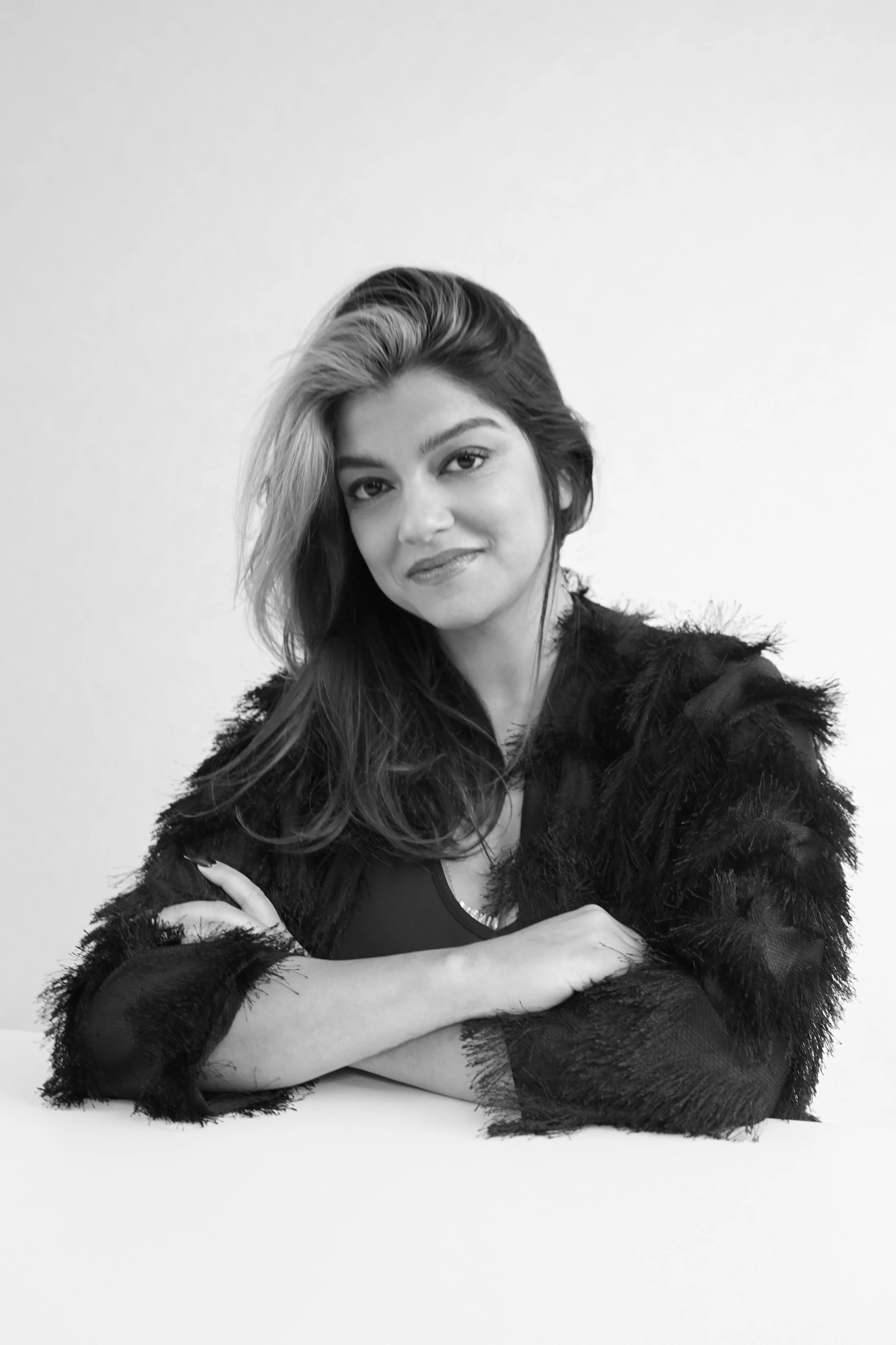
Photo by Dario Calmese
Jasmine Wahi is the Founder and Co-Director of Project for Empty Space, a nonprofit organization in New York City and Newark, New Jersey. Her multifaceted curatorial practice predominantly focuses on issues of femme empowerment, complicating binary structures within social discourses, and exploring multi-positional cultural identities through the lens of intersectional feminism.
In 2023, Ms. Wahi was honored by The Metropolitan Museum of Art for exemplary social impact work in the Arts, both at Project for Empty Space and in her other roles as both a museum curator and independent practitioner.
In 2020, PES, Ms. Wahi became the inaugural Holly Block Social Justice Curator at the Bronx Museum of the Arts, while simultaneously Co-Directing Project for Empty Space. While at the museum she curated several renowned exhibitions, including Born In Flames: Feminist Futures and Wardell Milan: AMERIKA. God Bless You If It's Good To You, which were oriented around the thesis that visibility is the primary tenet of Social Justice.
Earlier in 2020, Ms. Wahi co-curated the ongoing traveling exhibition ABORTION IS NORMAL with a cohort of intergenerational cultural practitioners including Rebecca Pauline Jampol, Marilyn Minter, Laurie Simmons, Gina Nanni, and Sandy Tait. The exhibition will be revived and travel across the United States in late 2023-2024 ahead of the presidential election, as a way to engage voters across the country.
In 2019, Ms. Wahi gave her first TED Talk on intersectionality and visibility, entitled All The Women In Me Are Tired.
A lover of learning and sharing, Ms. Wahi has taught at a number of art institutions, including Yale University, and the School of Visual Arts: MFA Fine Arts department. She is currently in the Faculty of Brooklyn College in New York City. In addition to her faculty roles at Academic institutions, Ms. Wahi also serves as both a faculty member at ART FORWARD and a Board member at CCNY at Baxter Street.
Ms. Wahi received her own Art History education from New York University, where she has an MA from the Institute of Fine Arts and a BA in Art History from the College of Arts and Sciences.
Jasmine Wahi lives in Brooklyn, NY, with her chihuahua mutt, Momo. You can follow her shenanigans and micro-essays on Instagram at @browngirlcurator.